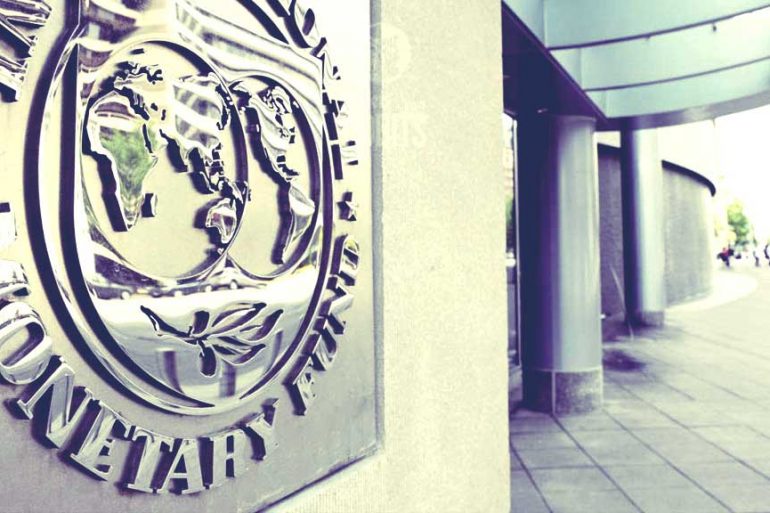
September 2011 Hugo Chávez, resplendent in crisply pressed fatigues and paratrooper boots with red shoelaces, had a very special guest. Meeting him that mid-September day in Caracas was the world’s most powerful banker, who had lent Chávez’s government at least $40 billion over four years, or about $1,400 for every man, woman, and child in Venezuela. The guest, stooped and looking older than his 66 years, drank chrysanthemum tea, staring...
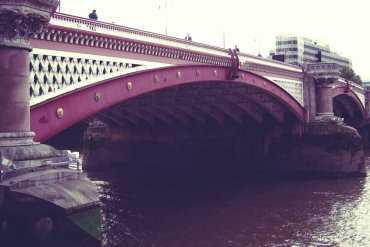
On 18 June 1982 the body of Roberto Calvi was found swinging on a length of orange nylon rope beneath Blackfriars Bridge, London. He had £10,000 worth of sterling, Italian lire and Swiss francs in his wallet and his trousers were stuffed with bricks and stones from a nearby building site. The British coroner recorded a case of suicide. Banco Ambrosiano Roberto Calvi certainly had reasons to kill himself. The...
It is rather like entering a cinema midway through a grand drama. The screen flickers with the ruins of once-vibrant cities—Berlin’s spires shadowed, Paris’s boulevards hushed, London’s markets subdued. Families drift apart like leaves in a chill wind. Nations murmur of “community care” from distant chambers in Brussels, their ancient borders softening into mist. Births grow scarce, traditions fade. One pauses, puzzled: What finale is this? Who might have shaped such a script? Perhaps a quiet rewind, peering back through […]...
David Astle is a researcher who has assembled a massive database and well-argued case for the existence, in ancient times, of an international bullion brokers’ trust. It allied behind the scenes for its own benefit and agenda, with manipulating governments, religions, pantheons and policies. Mr Astle commenced a sea career at sixteen years of age. During the following years he travelled most of the world’s great trade routes, and visited...
The business of banking in Europe in the fourteenth century function was to evaluate, exchange, and safeguard people’s coins. In the beginning, there were notable examples of totally honest banks which operated with remarkable efficiency considering the vast variety of coinage they handled. Honest banks These first banks also issued paper receipts which were so dependable they freely circulated as money and cheated no one in the process. As these...
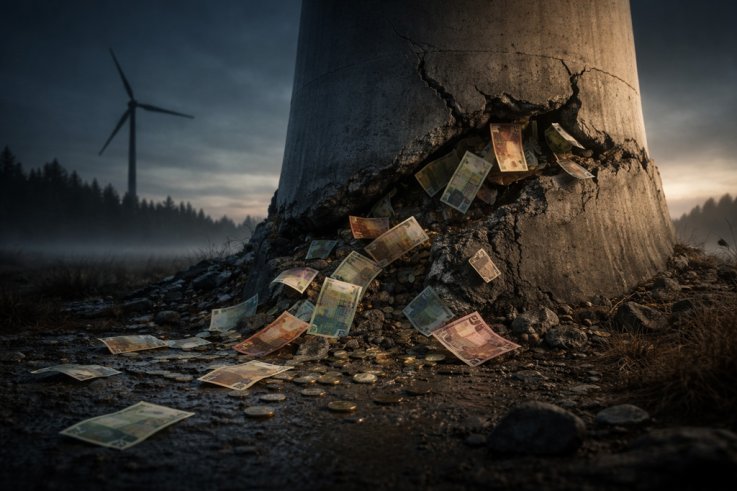
Let’s have a quiet chat about a story from Sweden. It’s not dominating the headlines, but it speaks volumes about the world we live in. An economist named Christian Steinbeck, writing in the journal Kvartal, has published a report on the country’s massive investment in wind power. The findings, detailed by Fria Tider, are a case study in modern finance. Sweden has spent over 300 billion Kronor—roughly 30 billion euros—to erect some 6,000 wind turbines. The initial motive was clean […]...
On March 11, 2026, the Deutsche Finanzagentur brought €5 billion in 10-year Bunds to market. It was a routine operation in a routine year. Yet, when the bidding closed, the market had signaled a departure from the script: only €3.8 billion was allocated. The official terminology calls this a ‘technical failure’—a glitch in the machinery of issuance. But for those who look past the yield curves and the ECB’s shadow,...
What is wrong with a little debt, cautiously applied and wisely managed? The response is absolutely nothing, as long as the debt is based on an honest exchange. There is plenty wrong to it as soon as it is based upon fraud. What is the difference? A sincere exchange is one wherein a borrower pays off an approved amount in exchange for temporary use of a lender’s possession. That asset...
The story of Soviet Russia’s emergence as a global power post-World War II is shrouded in intrigue, betrayal, and an ironic twist of fate orchestrated by some of the wealthiest figures in American finance. While the world viewed the USSR as the embodiment of anti-capitalist ideals, a closer look reveals that it was, in fact, the capitalist elites who played a crucial role in its survival and rise. The Birth of the “Evil Empire” In the aftermath of World War […]...
Consider the title page of The Economist in 1988, (9 jan. 1988) presented above, which insinuated another world money and noticeably included “2018” on the spread. Most realize that the financial world often arrange things decades ahead of time. The euro currency is such a case. “THIRTY years from now, Americans, Japanese, Europeans, and people in many other rich countries, and some relatively poor ones will probably be paying for...
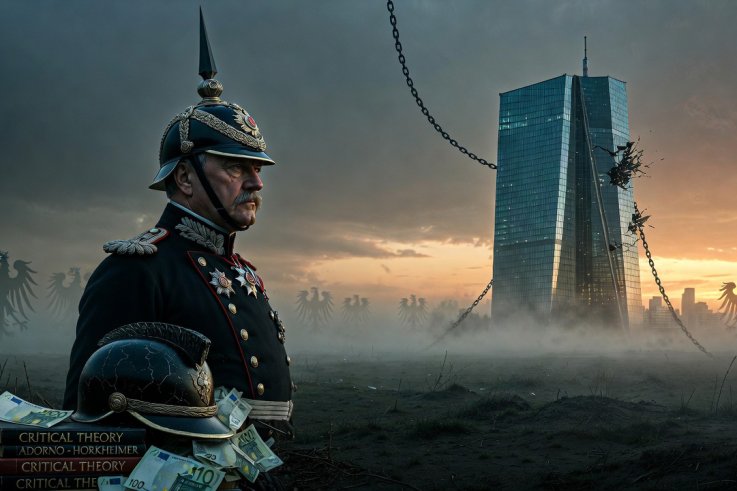
Throughout history, Germany has faced consistent efforts to weaken and suppress its rise as a unified and powerful nation. This pattern, rooted in geopolitical and economic rivalry, stretches back centuries, involving a web of oligarchic interests, financial manipulation, and strategic wars. The banking powers, often traced to the Venetian oligarchs and their successors, have played a significant role in shaping these efforts. By understanding this historical thread, we can better...
The IMF and the World Bank, were created at a meeting of global financiers and politicians held at Bretton Woods, New Hampshire, in 1944. Their announced goals were to facilitate international trade and to stabilize the exchange rates of national currencies. The unannounced goals were quite different. They were the elimination of the gold-exchange standard as the basis of currency valuation and the establishment of world socialism. The method by which gold was to be eliminated in international trade was […]...