The Archives

In early January 2026, the government of the United States confirmed the capture of the man who had governed Venezuela since 2013. Within days, financial desks in Beijing were running a different calculation than the political ones running in Washington: how much of roughly nineteen billion dollars in...
On April 13, 1989, after two and a half years of hearings, a U.S. Senate subcommittee released a four-hundred-page report with a six-hundred-page appendix. Its chairman was Senator John Kerry. Its title was dry: Drugs, Law Enforcement and Foreign Policy. Its conclusion was not. “It is clear that...
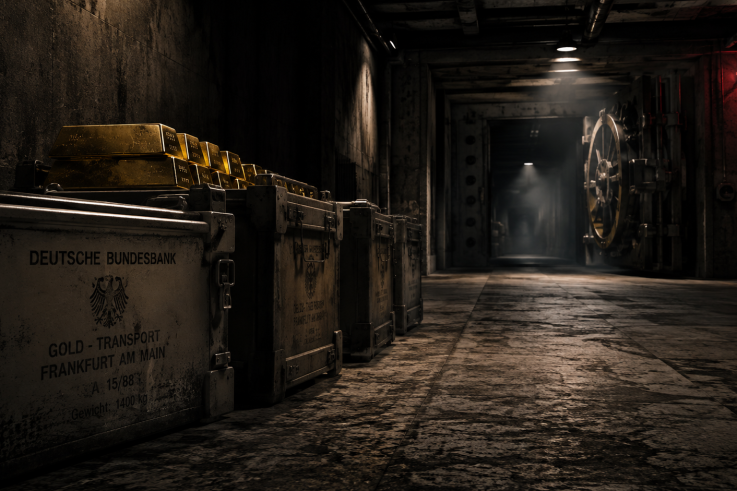
The definitive signal of an empire’s closing chapter is never found in the rhetoric of its political class. It is found in the physical movement of its collateral. When a financial and administrative architecture functions normally, capital and custody remain comfortably abstracted. Paper claims, digital ledger entries, and...
In August 1961, an Italian artist named Piero Manzoni sealed ninety small tin cans, each one labelled in four languages: Artist’s Shit. Contents 30 grams net. Freshly preserved. Produced and tinned in May 1961. He offered them for sale at Galleria Pescetto in Albisola Marina, priced not by...
One hundred and eight years ago this week, a government issued a written order authorizing the killing of a category of person, not a list of names. It called the thing it was crushing a monster with many heads. It never quite noticed which side of that description...
A note from Bernd:The first conversation with Johannes generated more mail than anything we’ve published on this site. Most of it was questions. Some of it was people telling us they went back and reread Episode 8 and couldn’t quite read it the same way again. I want...
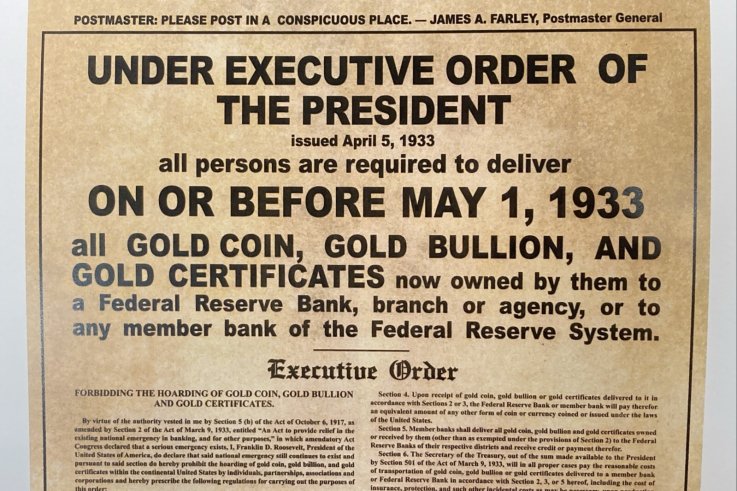
By: The Archivist Filed under: The Observer | 27 August 2026 When observing an administrative state navigating a sovereign debt load exceeding $40 trillion, the critical signal is rarely found in policy speeches. It is found in how the state re-classifies basic units of value—and who ultimately holds...
In classical and medieval cosmology, the human world was never conceived as a self-contained, mechanical box. Nor was it seen as sitting in stark, absolute opposition to the divine or spirit realm. Between the physical earth beneath a man’s feet and the transcendent unseen above him lay an...
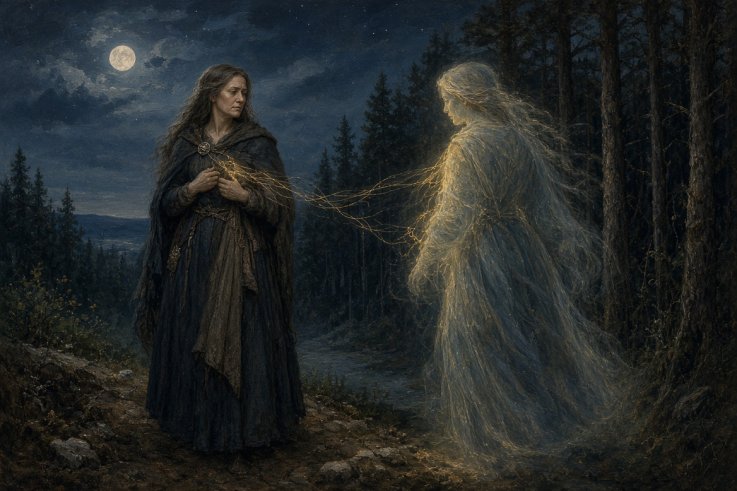
Sometime in the tenth century, an outlawed Icelander named GĂ­sli told his wife about two women who came to him in his sleep. One was kind to him. The other told him only what would go badly for him, and GĂ­sli believed her. He did not call this...
A saga survives that names the visitors who once came to a wealthy man’s hall to read his infant son’s future. It doesn’t call them seers, or witches, or fortune-tellers. It calls them by a much more specific name — and says what they predicted came true. This...
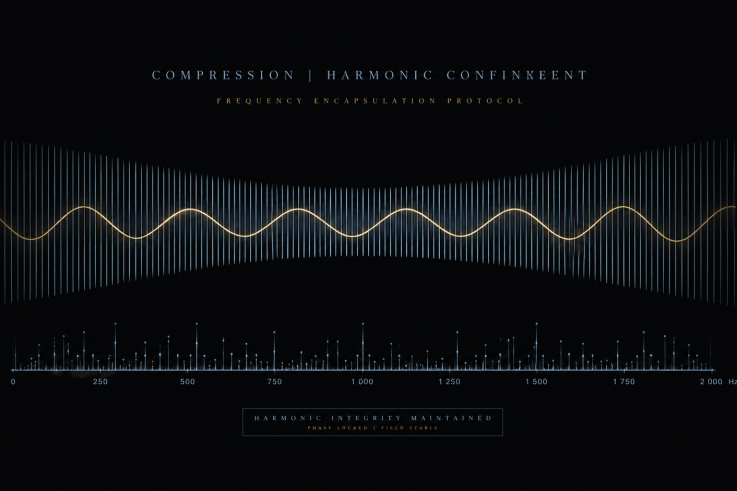
Before sound was reduced to a measurable wave function in physics textbooks, ancient humanity understood a fundamental cosmological principle: sound is the primary formative force of creation. In the Vedic traditions, the cosmos was sung into existence (Nada Brahma); in the Hellenistic and Christian traditions, the universe originated...
In the thirteenth-century text known as the Elucidation—the obscure Old French prologue to the Grail romances—the transformation of a fertile kingdom into a desolate waste does not begin with an invading army or a sudden cosmic cataclysm. It begins quietly, at the springs. According to the tale, the...

Categories

Maier files books