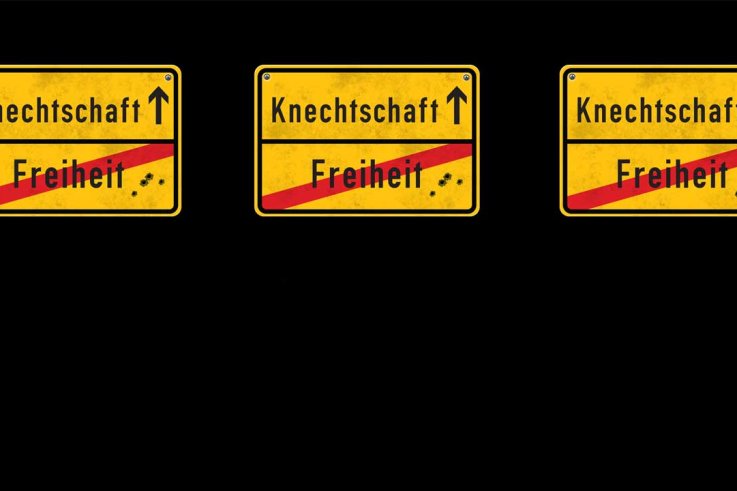
In a world that sometimes seems enamored with central planning and government control, Friedrich Hayek’s ideas on liberty and individualism continue to shine as a beacon of hope and reason. His seminal work, “The Road to Serfdom,” serves as a stark warning against the perils of planned societies and is a testament to the enduring importance of defending individual freedom. Hayek’s Rejection of Planned Societies: Friedrich Hayek, the renowned Austrian-British...
Picture, if you will, a scene from any parliamentary debate you’ve been unfortunate enough to witness. There’s the theatrical gasp—perfectly timed, mind you—followed by the hand pressed dramatically to the chest, then the solemn invocation of “working families” or “our children’s future.” It’s magnificent theater, really. The only thing missing is honesty about being theater. H.L. Mencken, that delightfully cantankerous observer of American democracy, called these performers “courtiers of democracy”...
Throughout history, the true movers and shakers of world events have often remained shrouded in mystery, their influence concealed behind the facades of nations, ideologies, and economic systems. Among these hidden forces, few have wielded as much covert power as the Venetian oligarchy, a financial aristocracy that, though rarely acknowledged, has played a pivotal role in shaping the modern world. The story of Venice is not just about a city-state with remarkable canals and stunning architecture; it is about a […]...
Phoenix currency
Consider the title page of The Economist in 1988, (9 jan. 1988) presented above, which insinuated another world money and noticeably included “2018” on the spread. Most realize that the financial world often arrange things decades ahead of time. The euro currency is such a case. “THIRTY years from now, Americans, Japanese, Europeans, and people in many other rich countries, and some relatively poor ones will probably be paying for...
IMF
The IMF and the World Bank, were created at a meeting of global financiers and politicians held at Bretton Woods, New Hampshire, in 1944. Their announced goals were to facilitate international trade and to stabilize the exchange rates of national currencies. The unannounced goals were quite different. They were the elimination of the gold-exchange standard as the basis of currency valuation and the establishment of world socialism. The method by...
Gods of Money
In 1913, Minnesota Congressman Charles August Lindbergh Sr., father of the famed aviator, wrote Banking, Currency, and the Money Trust, in which he accurately described the political agenda of the Wall Street international bankers who were shaping the creation of a new central bank and with it, control over the nation’s economy. Lindbergh As a Republican member of the US Congress Lindbergh wrote exposing the secret machinations of powerful Wall Street financial interests, their efforts to sneak through a piece […]...
Serfdom by debt
What is wrong with a little debt, cautiously applied and wisely managed? The response is absolutely nothing, as long as the debt is based on an honest exchange. There is plenty wrong to it as soon as it is based upon fraud. What is the difference? A sincere exchange is one wherein a borrower pays off an approved amount in exchange for temporary use of a lender’s possession. That asset...
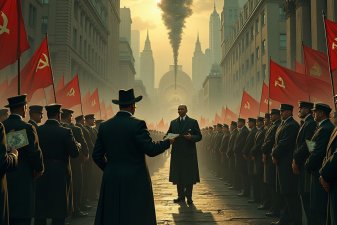
Bolshevik logo
From the early 1920s, countless pamphlets and writings, indeed just a handful of books, have looked for a link between “international bankers” and “Bolshevik revolutionaries.” Not often have these endeavors been covered by hard evidence, and never have this kind of efforts been argued within the framework of a scientific methodology. In truth, a few of the “evidence” utilized in these efforts has been deceitful, some has been irrelevant, much...
web of debt
The process by which money comes into existence is thoroughly misunderstood. And for good reason! It has been the focus of a highly sophisticated and long-term disinformation campaign that permeates academia, media, and publishing. The complexity of the subject has been intentionally exploited to keep its mysteries hidden. Henry Ford said it best: “It is well that the people of the nation do not understand our banking system and monetary system, for if they did, I believe there would be […]...
“History is bunk” is a cliché with which we are all familiar. Having studied usury and fractional reserve banking intently and knowing who was behind it all, when Henry Ford uttered those famous words in 1916, what he really meant to say is that history is untrustworthy. The second factor is that history is full of omissions, which Ezra Pound warned students of the University of Wisconsin in a paper...
The collapse of the Soviet Union in 1991 marked a historical turning point, not just for geopolitics but also for Russia’s internal economy. The 1990s became a period of unprecedented economic chaos, often referred to as the “economic plundering of Russia.” In his book Shadow Masters, Daniel Estulin unveils the hidden forces behind this tragic chapter in Russia’s history, revealing the key players who facilitated the systematic looting of the...
“The Lord detests dishonest scales, but accurate weights find favor with him.” – Proverbs 11:1 Oskar Gross, the sharp-minded industrialist from Maier Files, saw the corruption of the fiat money system long before others realized the full extent of its destruction. His fierce opposition to central banking and bankers manipulating currencies stemmed from an undeniable truth—fractional reserve banking is fraudulent and ruinous. But what exactly is this scam that governs our global financial system? The Illusion of Wealth – What […]...

Categories

Maier files books